#RaiseTheAge

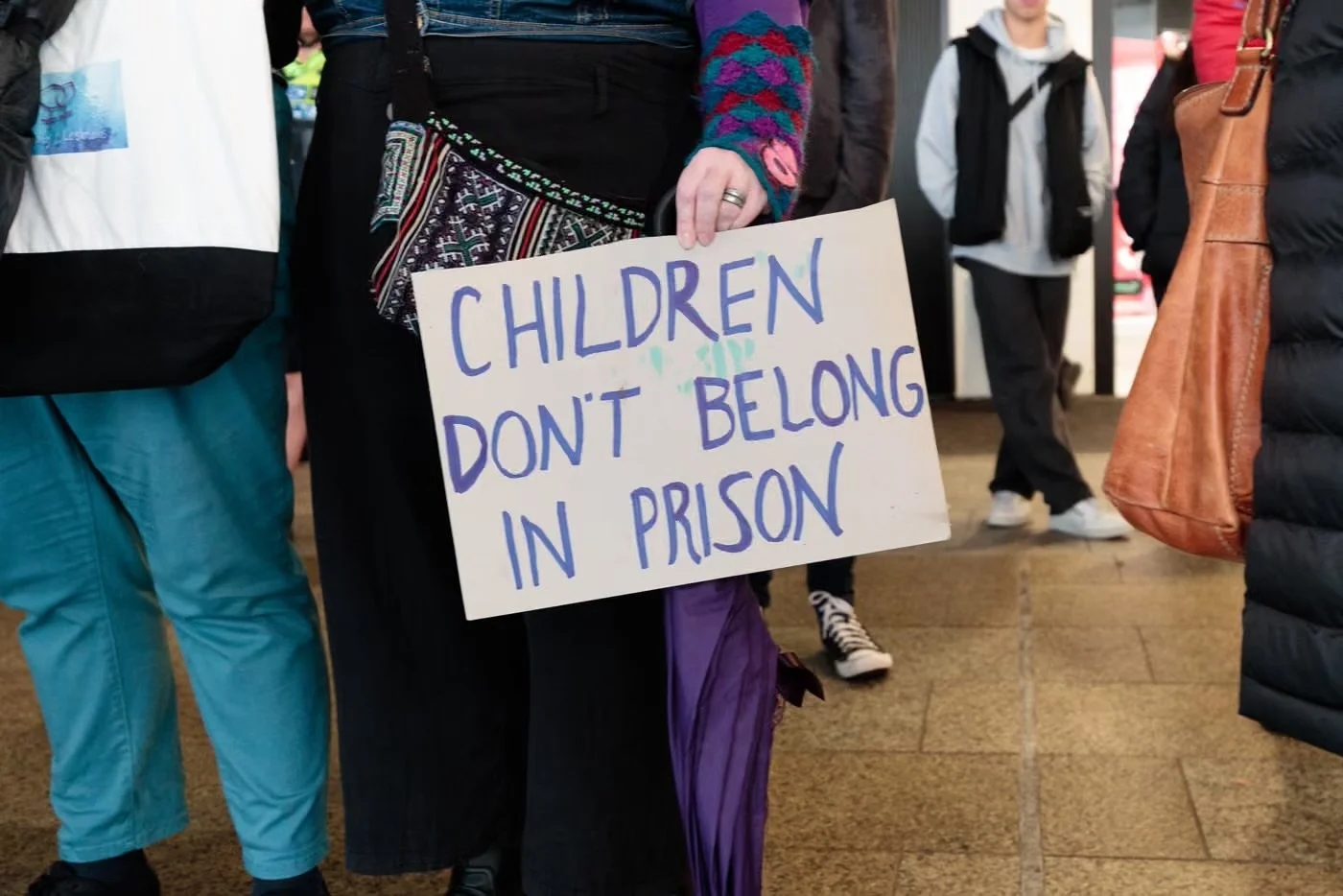
Young children do not belong in prison.

Since 2015, we have been calling on state, territory and federal governments to raise the age. 

It’s time for action.

  • Why we need to Raise The Age

    Children do not belong in prison. Yet in Australia, children as young as 10 can be arrested, charged and imprisoned, often facing terrible conditions while imprisoned. We know that putting children in prison causes harm. It separates them from family, culture and community, disrupts access to education and wellbeing, and can make it more likely they will become caught up in the criminal legal system as they grow up.

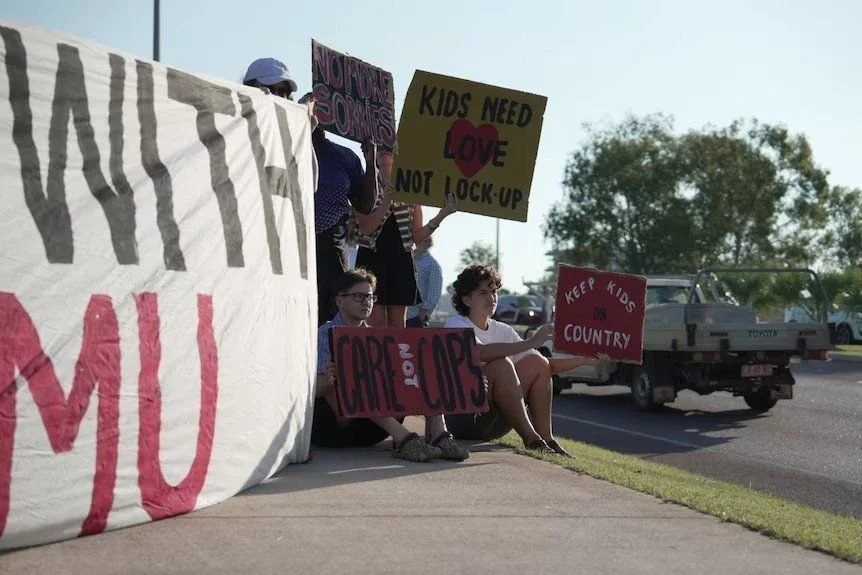
    Raising the age of criminal responsibility to at least 14 is about stopping that cycle before it can start. It recognises that children need care, connection and support not jail.

    Young people with lived experience are telling us what they need to be safe and thrive: connection to family, culture and community, trusted adults, places to belong and people who listen to them. Communities across Australia can and already are providing those supports everyday, however children are often criminalised instead of connected to them. 

    Raising the age is an essential step toward ending the criminalisation of children, but it cannot happen in isolation. We need a national commitment to keep all children out of prison and to develop national minimum standards that ensure every child can access safe, culturally grounded and community-led support that respects their human rights.


  • The Evidence is clear

    Prisons cannot provide the support, trauma-informed care and services that children need. This is particularly true for children living with disability, who are over-represented in detention centres. Research also shows that most children in detention centres are themselves victims of violence. 


    Children need to be met with therapeutic responses, not punishment and cruelty. 


    We know that Aboriginal and Torres Strait Islander children are over-surveilled by police and over-represented in carceral systems, due to social disadvantage, intergenerational trauma and systemic racism. The latest data shows that state and territory governments are 21 times more likely to imprison Aboriginal and Torres Strait Islander children aged 10–17 than their non-Indigenous peers. 


    The global minimum standard for the age of criminal responsibility is 14, which is backed up by the UN Committee on the Rights of the Child, the UN Committee Against Torture, as well as neuroscientists and medical experts who best understand child brain development. Australia is well behind the rest of the world, and is breaching its human rights obligations under international law.

  • Alternatives to prison

    Prisons only cause harm to children; they don’t help them thrive. The criminal legal system separates children from their families, communities and support, often pushing them further into the system.

    Across Australia, communities are already creating alternatives that keep children safe and connected. We don’t know exactly how many exist because there has been little investment in identifying them, or helping them to become sustainable. Community-led solutions can look very different across communities: from language classes and cultural programs to safe places where children can connect, eat, learn and belong.

    These are the natural protections of communities caring for children in action. Explore our Map of community-led alternatives to prison (last updated 2023).

    If you know another program that you would like to add to the map please connect with Change The Record.

How you can get involved?

Write to the Attorney-General

Connect with our socials

Make Change